Renters Insurance in and around Abington


Get a personalized renters quote today
Helping protect what you own in your rental home
Home is home even if you are leasing it. And whether it's an apartment or a condo, protection for your personal belongings is a good idea, even if your landlord doesn’t require it.
Open the door to renters insurance with State Farm
Renters often don’t realize that their landlord’s insurance only covers the structure. Just because you are renting a property or home, you still own plenty of property and personal items—such as a stereo, smartphone, couch, and more. All of these have value, which would be a real loss if damaged or destroyed. That's why you need renters insurance from State Farm. Why choose renters insurance from Andy Lee? You need an agent who can help you examine your needs and choose the right policy. With competence and skill, Andy Lee stands ready to help you insure your precious valuables.
A good next step when renting a townhouse in Abington, PA is to make sure that you're properly insured. That's why you should consider renters coverage options from State Farm! Call or go online today and discover how State Farm agent Andy Lee can help you.
Have more questions about Renters insurance?
Call Andy at (215) 392-0396 or visit our FAQ page.
Insurance and Financial products offered
Simple Insights®

Community and urban gardening
Community and urban gardens are an excellent place for growing fresh food. Learn how to secure your garden plot and how to make the most of your space.

How to get rid of fruit flies in 5 easy steps
Fruit flies can infest your drains, trash cans and house plants. These steps can help keep fruit flies away from your home.
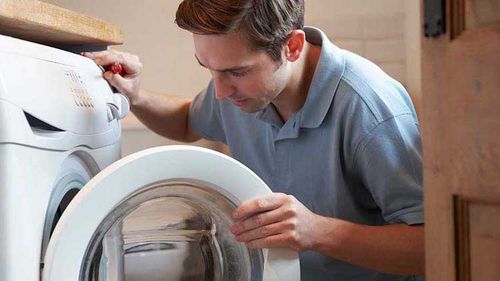
10 Washing machine maintenance tips
Routine washer maintenance can help reduce breakdowns and costly water damage. Learn how to clean your washing machine and more.
How to deal with noisy neighbors or issues
From noisy neighbors and arguments over property lines to adventurous pets, there are ways to successfully resolve disputes between neighbors.

Andy Lee
State Farm® Insurance Agent
Get a personalized renters quote today